In 2023, a mid-sized eCommerce brand in Brazil realized something strange:
Their customer experience was great.
Their products were strong.
Their marketing was solid.
But internally?
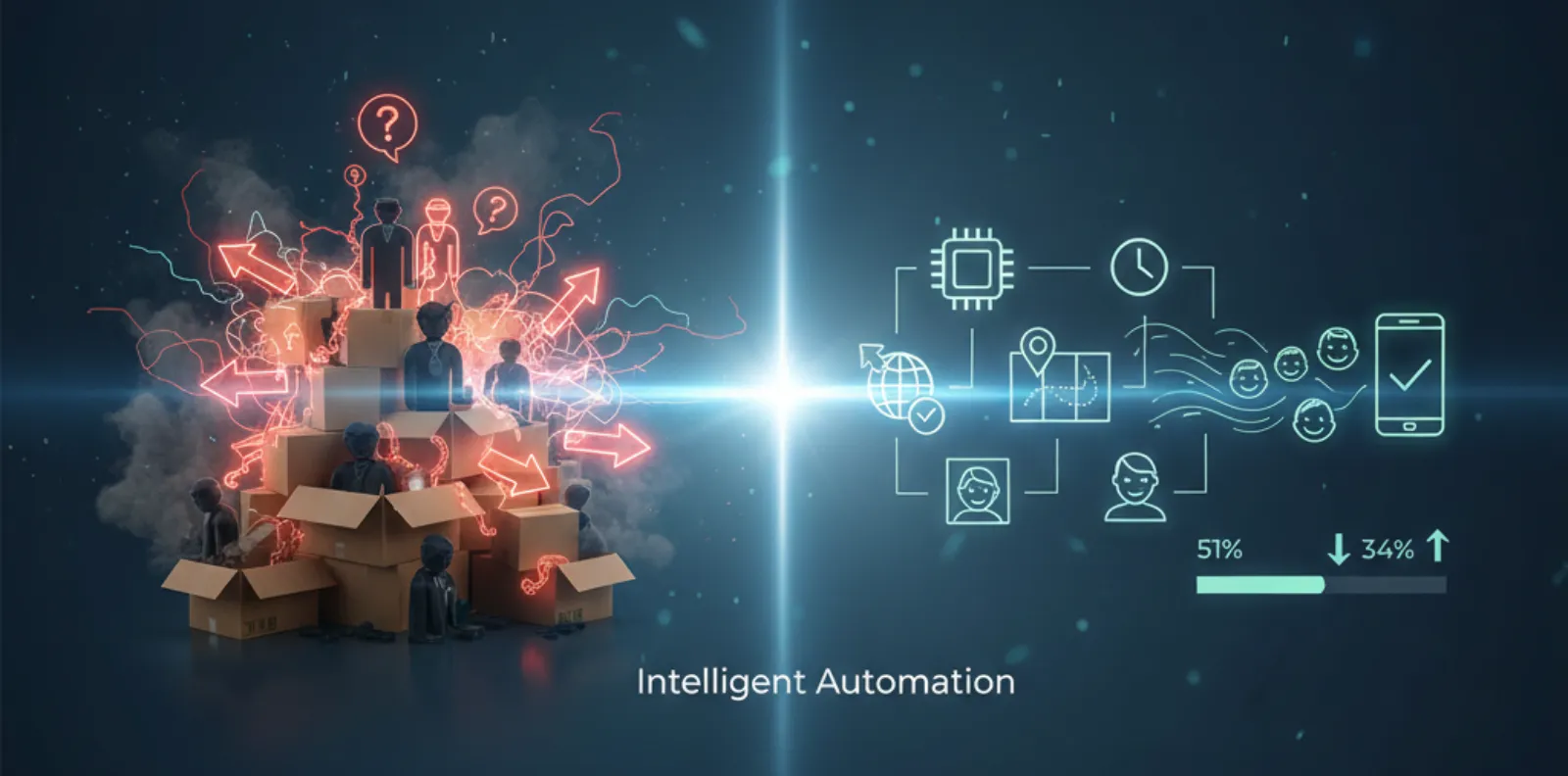
Their team was drowning in repetitive work:
Manually updating inventory
Manually tagging orders
Manually assigning tickets
Manually pulling reports
One day, a simple warehouse sync error caused mismatched stock.
Customers placed orders for items that weren’t really available.
Refunds exploded. Reviews dropped. Team morale crashed.
So they made a decision:
“Anything that can be automated, will be automated.”
Within months:
Errors fell
Speed increased
Teams could finally focus on growth
They didn’t hire more.
They didn’t work longer.
They just got smarter.
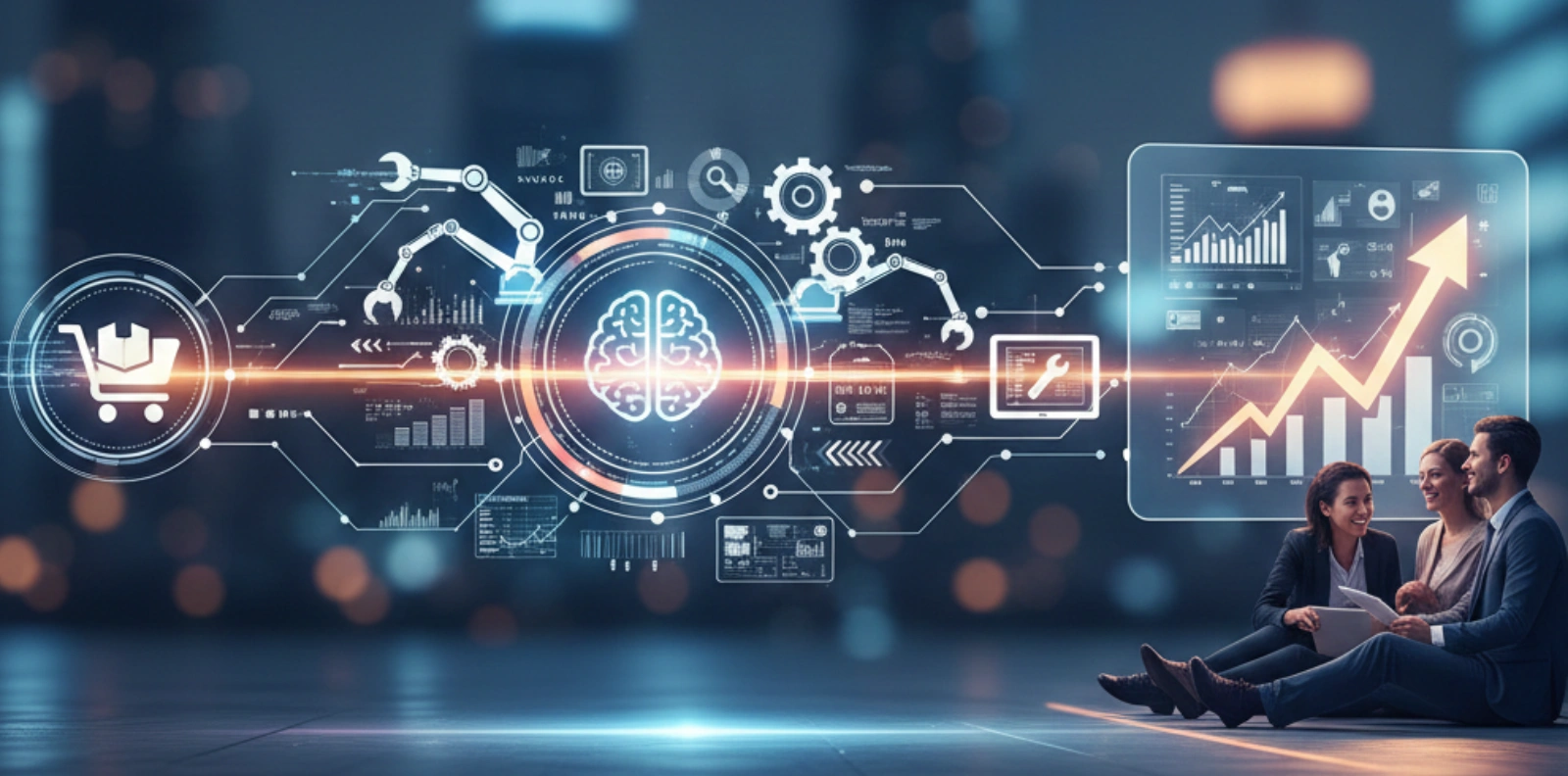
That’s what automation-first products do —
they run themselves, so people can do what only humans can.
The Cost of Manual-First Systems
Manual-first products feel flexible in the beginning — but quickly become:
| Problem | Real Impact |
|---|---|
| Human errors | Angry users + revenue loss |
| Slow response | Missed opportunities |
| Complex operations | Burnout and churn |
| No consistency | Unpredictable experience |
You don’t notice the damage day 1.
You feel it when you try to scale.
The Core Pillars of Automation-First Products
Here’s what defines products that “think and act” on their own
Event-Driven Workflows
The product responds automatically when something happens.
Instead of “team notices → team acts,” it becomes “system notices → system acts.”
Example:
If a payment fails → user gets an instant nudge + retry option → support is notified only if needed.
Rules + Intelligence, Not Hardcoding
You design rules and logic that adapt as you grow.
Change a rule once, improve behavior everywhere.
Example:
Priority tickets = VIP customers, high-value deals, or repeat failures — auto-routed to senior agents.
Human-in-the-Loop Control
Automations run the engine, but humans steer direction.
Machines do the repetitive work. Humans handle nuance.
Example:
AI drafts responses → humans approve/adjust tone for sensitive cases.
Integration-Ready Architecture
Connects tools instead of trapping data.
A product isn’t truly smart if it doesn’t talk to others.
Example:
CRM, billing, email, analytics, and support all sync in real time — no more copy-paste chaos.
Self-Monitoring & Alerts
The product watches itself and raises flags.
You shouldn’t discover problems from customers first.
Example:
If error rates spike → system triggers an internal alert + fallback flow.
Automation Doesn’t Replace Teams — It Releases Them
When automation takes over:
Support teams stop copy-pasting
Ops teams stop chasing updates
Marketing teams stop doing manual exports
Founders stop chasing “What’s happening?”
They finally get to:
Solve bigger problems
Innovate faster
Think more clearly
Design better experiences
Automation isn’t about doing less.
It’s about doing more of what matters.
Signs You Need an Automation-First Rethink
Ask yourself:
| Question | If “No” → Time to Fix |
|---|---|
| Can routine tasks run without human touch? | Your product is too manual |
| Do teams trust system alerts more than reporting sheets? | Visibility is weak |
| Can the product scale to 5–10× users with minimal extra effort? | Not future-ready |
| Does your team spend most of its time on high-value work? | You’re paying for busywork |
If at least one of these is “No”, your product is holding you back.
How to Move Toward Automation-First
- You don’t have to rebuild from scratch. You can:
- Start with the most repetitive tasks
- Automate them with safe checks
- Integrate core tools (CRM, email, billing, analytics)
- Shift from manual-first to automatic-first
- Review automations monthly and fine-tune
Think of it as training your product to work like a smart teammate, not a dumb tool.
Case Study
AI Turned a Startup Into a Growth Machine
Client
-
FleetFlow Telematics — Netherlands
(SaaS platform for fleet tracking & logistics optimization)
Challenge
- Operations team manually checked vehicle status daily
- Alerts were routed manually to local managers
- Reports consolidated every week from CSV exports
- By the time decisions were made, issues were already expensive
ODW Automation-First Overhaul
- Detects issues (idling, fuel anomalies) and alerts managers instantly.
- Auto-sends daily performance updates and weekly cost-saving insights.
- Syncs CRM, billing, and support systems automatically with real fleet activity.
Results in 90 Days
| Impact Area | Result |
|---|---|
| Time spent on manual monitoring | –65% reduction |
| Incident response time | –48% faster |
| Operational cost efficiency | +22% improvement |
| Team satisfaction | Substantial increase — less firefighting, more strategy |
The product stopped being just “a dashboard”
and became an intelligent operations layer.
Their team now works on the business, not trapped inside the busywork.
Final Thought: Let the Product Do the Heavy Lifting
Your systems shouldn’t need:
babysitting
constant manual updates
daily firefighting
They should:
notice patterns
respond intelligently
support your team
scale your growth
If you want digital products that think for themselves and work for you, not the other way around…
- sales@odw.rocks
- +91 9312342222